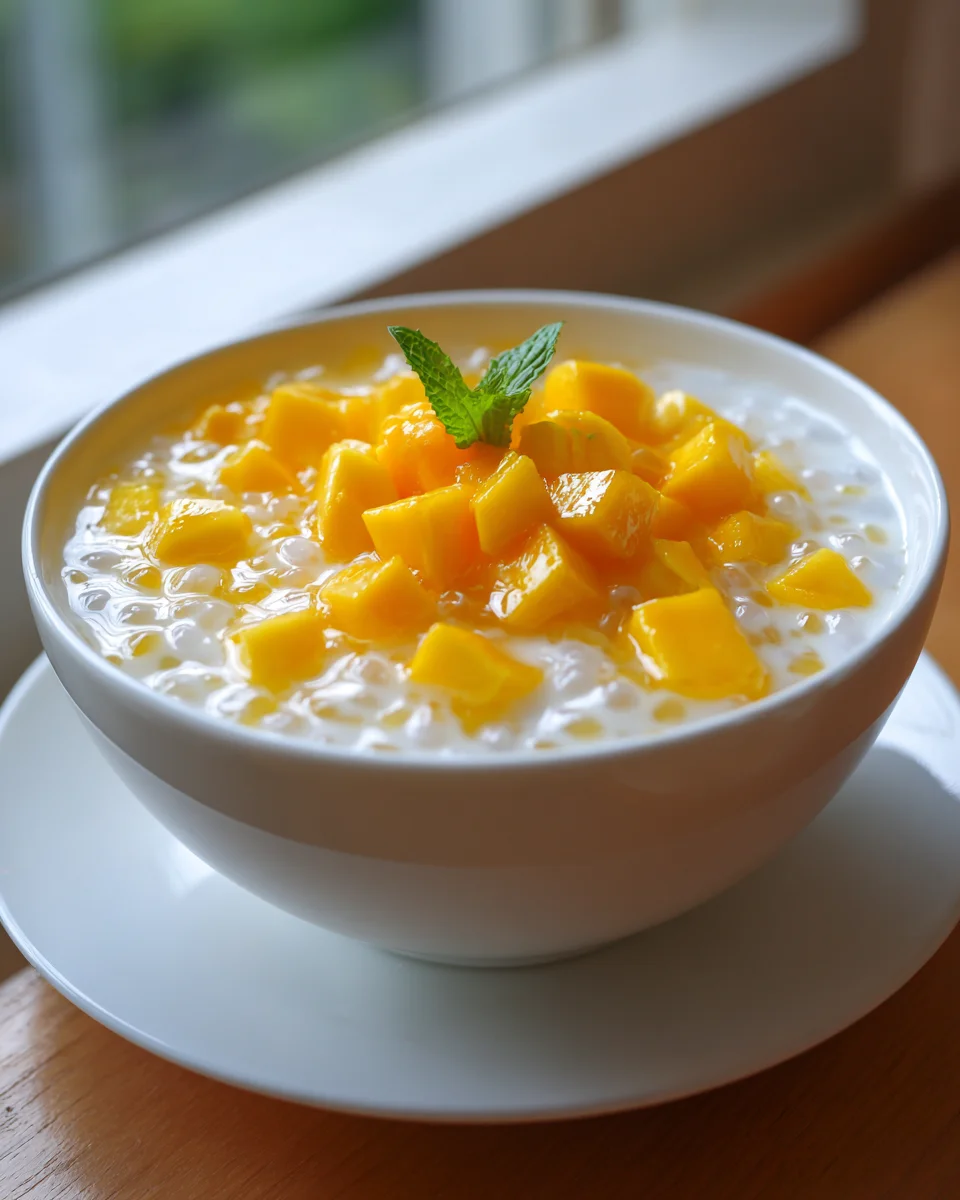
Imagine a dessert that instantly transports you to a tropical paradise, with every spoonful bursting with vibrant flavor and refreshing creaminess. That's precisely what you get with a homemade Creamy Mango Sago. This beloved Asian concoction, often referred to as Mango Bango, is more than just a sweet treat; it's an experience. Combining luscious fresh mangoes, tender tapioca pearls, and a rich, coconut-infused pudding, this mango sago dessert is poised to become your go-to recipe for blissful summer indulgence.
There's something uniquely satisfying about the blend of textures and tastes in mango sago. The smooth, sweet mango, the delightful chewiness of sago pearls, and the creamy base create a symphony in your mouth that's both light and incredibly fulfilling. Whether you're a seasoned mango lover or new to the world of tropical desserts, this recipe promises to deliver pure joy.
What Makes Mango Sago the Ultimate Summer Treat?
Mango sago isn't just popular; it's iconic. Originating from Hong Kong, where it gained fame through dessert chains, its appeal has spread worldwide. The reason is simple: it masterfully balances freshness, creaminess, and a delightful textural interplay, making it perfect for warm weather. Here’s why it stands out:
- Irresistible Tropical Flavors: The star of the show is, of course, the mango. Its natural sweetness and vibrant aroma evoke sunny beaches and exotic getaways.
- Refreshing Creaminess: The coconut milk and condensed milk base is wonderfully cooling, especially when chilled. It's rich without being heavy, providing a silky backdrop for the mango and tapioca.
- Textural Harmony: This dessert is a masterclass in contrasting textures. You have the soft, melt-in-your-mouth mango, the chewy, bouncy tapioca pearls (sago), and often, the jelly-like bite of nata de coco. Each element contributes to a dynamic and engaging eating experience.
- Light Yet Satisfying: Despite its creamy nature, mango sago feels light and refreshing, making it an ideal ending to any meal or a perfect afternoon pick-me-up.
Many first encounter this delightful dessert at Asian specialty shops or famous dessert chains, but discovering how easy it is to recreate this experience at home is a game-changer. It’s an easy mango sago dessert that tastes gourmet!
Essential Ingredients for Your Perfect Mango Sago Dessert
The beauty of mango sago lies in its relatively simple ingredient list, where the quality of each component truly shines. Here’s a breakdown of what you’ll need and some tips for selecting the best:
Fresh Mangoes: The Heart of the Dessert
You absolutely need fresh, ripe mangoes for this recipe. Their natural sweetness and aroma are irreplaceable. While the reference mentions Manila mangoes (also known as Ataulfo mangoes), which are highly prized for their buttery texture and intense sweetness, they can be seasonal and sometimes tricky to find outside of Asian markets. Excellent alternatives include:
- Honey Mangoes (Ataulfo/Champagne): Very similar to Manila mangoes in flavor and texture, they are a fantastic choice and often more readily available in mainstream grocery stores.
- Alphonso Mangoes: If you can find them, these Indian mangoes offer incredible sweetness and a rich, non-fibrous pulp.
Pro Tip for Choosing Ripe Mangoes: Look for mangoes that are slightly soft to the touch, similar to a ripe avocado, and emit a sweet, fruity aroma near the stem. Avoid mangoes with wrinkled skin or bruised spots.
Tapioca Pearls (Sago): The Chewy Surprise
These tiny, translucent pearls provide the signature chewy texture that makes mango sago so distinct. You can use:
- Mini Sago or Small Tapioca Pearls: These are the most common and ideal size, offering a pleasant bite without being overwhelming.
- Larger Tapioca Pearls: While they work, they require a longer cooking time and might make the dessert a bit heavier. Stick to smaller pearls for the classic experience.
Cooking Tip: The key to perfectly cooked tapioca is to cook them until translucent with a tiny white dot in the center, then let them sit, covered, off the heat to fully plump up. Rinsing them thoroughly under cold water afterward is crucial to remove excess starch and prevent them from clumping together, ensuring they remain separate and bouncy.
Nata de Coco (Coconut Jelly): An Optional but Recommended Addition
This chewy, jelly-like coconut product, made from fermented coconut water, adds another layer of delightful texture and a subtle coconut flavor. You'll typically find nata de coco in jars, often submerged in syrup, at Asian specialty stores. It's a fantastic textural contrast to the soft mango and chewy sago.
The Creamy Base: Coconut Milk & More
The liquid base is what brings all the flavors together in a smooth, creamy symphony. A blend of milk products offers the best consistency and richness:
- Full-Fat Coconut Milk: This is non-negotiable for that authentic, rich, and tropical flavor. Using coconut cream can make it even more decadent.
- Half-and-Half or Evaporated Milk: Many recipes, including the one in the reference, suggest thinning out the coconut cream with half-and-half or evaporated milk. This helps achieve the perfect spoonable consistency without diluting the flavor too much.
- Dairy-Free/Vegan Options: For those avoiding dairy, simply use a plant-based half-and-half (like soy or oat-based) along with your full-fat coconut milk.
Sweetness with Condensed Milk
Sweetened condensed milk is the preferred sweetener for mango sago, and for good reason. It provides rich sweetness while also contributing to the dessert's creamy texture. Unlike granulated sugar, which can thin out the pudding due to its water content, condensed milk helps maintain the ideal consistency of this mango sago dessert. Non-dairy condensed milk varieties are also available.
Crafting Your Creamy Mango Sago: A Step-by-Step Guide
Making mango sago is surprisingly straightforward, mostly involving preparation and assembly. Here’s how to bring it all together:
- Cook the Tapioca Pearls: In a saucepan, bring several cups of water to a rolling boil. Add the tapioca pearls and stir frequently to prevent sticking. Cook for about 10 minutes over medium-high heat until most pearls are translucent. Remove from heat, cover tightly, and let them sit for another 15 minutes. This gentle resting period ensures they cook through without becoming mushy.
- Rinse and Chill the Tapioca: Drain the cooked tapioca pearls in a fine-mesh colander and rinse them thoroughly under cold running water. This crucial step washes away excess starch, preventing them from clumping and keeping them delightfully separate and bouncy. Set aside to drain well, or place them in an ice bath to cool quickly.
- Prepare the Mangoes: While the tapioca is resting, peel your ripe mangoes. Carefully slice the flesh away from the pit and dice it into small, uniform cubes. For an extra boost of mango flavor and a creamier base, consider puréeing about half of your diced mangoes. This creates a more intense mango sago dessert.
- Assemble the Creamy Base: In a large bowl, combine the full-fat coconut milk (or coconut cream), half-and-half (or evaporated milk/dairy-free alternative), and sweetened condensed milk. Whisk until everything is well combined and the condensed milk is fully dissolved. Taste and adjust the sweetness to your preference.
- Combine and Chill: Add the cooked and rinsed tapioca pearls, most of the diced mangoes (reserving some for garnish), and the drained nata de coco (if using) to the creamy milk base. If you puréed some mango, add that in now too. Gently stir everything together until well combined.
- Refrigerate: Cover the bowl and refrigerate the mango sago for at least 2-4 hours, or preferably overnight. Chilling is essential as it allows the flavors to meld beautifully and the dessert to reach its optimal refreshing temperature and consistency.
Tips for Elevating Your Mango Sago Experience
While the basic recipe is fantastic, a few extra touches can take your homemade mango sago dessert from great to truly unforgettable:
- Intensify Mango Flavor: Don't be afraid to blend some of your fresh mangoes into the creamy base. This infuses every spoonful with a deeper, more pronounced mango essence, creating an even more luscious mango sago.
- Perfect Presentation: Serve your mango sago in individual glasses or small bowls. Before serving, give it a good stir. Garnish generously with the reserved fresh mango cubes. A sprig of fresh mint or a sprinkle of toasted coconut flakes can also add a beautiful touch and extra flavor.
- Adjust Sweetness to Taste: Mangoes vary in sweetness, so always taste your mixture before chilling. Add more condensed milk if you prefer a sweeter dessert, or a pinch of salt to balance the sweetness if it feels too cloying.
- Experiment with Milks: While coconut milk and half-and-half are classic, feel free to experiment. Some recipes use evaporated milk for a slightly different richness, or even a splash of whole milk. Just remember that full-fat coconut milk is key for that tropical flavor.
- Make Ahead: Mango sago is an excellent make-ahead dessert. Its flavors deepen and it becomes even more refreshing after a good chill. Prepare it the day before your event for stress-free entertaining. Store any leftovers in an airtight container in the refrigerator for up to 2-3 days.
The creamy mango sago dessert is a testament to the fact that sometimes, the simplest ingredients can create the most profound culinary experiences. It’s a versatile and satisfying dessert that truly shines when made with care.
Whether you're battling the summer heat, hosting a gathering, or simply craving a taste of the tropics, this creamy mango sago recipe is your answer. With its vibrant flavors, delightful textures, and refreshing chill, it’s a dessert that consistently brings smiles. So, gather your ingredients, follow these steps, and prepare to fall in love with your new favorite mango sago dessert!
