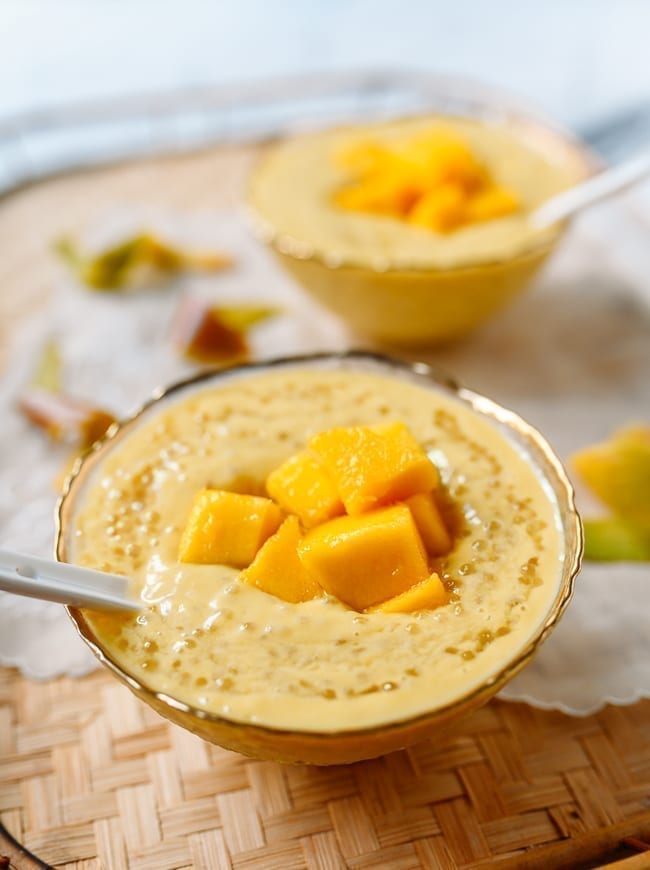
Mango Sago Delight: Your Ultimate Tropical Escape in a Bowl
Imagine a dessert that instantly transports you to sun-kissed shores, a symphony of creamy coconut, chewy tapioca, and the sweet explosion of fresh mango. This isn't just a daydream; it's the reality of a truly exquisite
mango sago dessert. More than just a pudding, Mango Sago Delight is a refreshing, satisfying, and utterly delightful creation that has captured hearts globally, becoming a coveted treat from bustling Asian dessert chains to cozy home kitchens. If you've been searching for that perfect spoonful of tropical bliss, your quest ends here.
What Makes Mango Sago Dessert So Irresistible?
At its core, the Mango Sago dessert is a glorious fusion of textures and flavors designed to tantalize your taste buds. It typically features a rich, often condensed milk-sweetened coconut milk base, generously studded with translucent tapioca pearls and vibrant, freshly diced mango. The magic lies in this harmonious contrast: the smooth, cool creaminess of the pudding, the gentle chew of the sago pearls, and the juicy, sweet bursts from ripe mango chunks.
Originating from Southeast Asia, particularly popular in countries like the Philippines (where it's often called Mango Bango) and Hong Kong, this dessert gained significant fame through establishments like Honeymoon Dessert. Its popularity has since spread, making it a beloved treat for anyone seeking a refreshing escape. It’s the kind of dessert that feels both indulgent and light, perfect for capping off a meal, enjoying on a warm afternoon, or simply indulging your sweet tooth whenever the craving strikes. Its unique combination of simplicity and gourmet appeal truly sets it apart.
The Essential Ingredients for a Perfect Mango Sago Delight
Crafting the perfect mango sago dessert relies on selecting high-quality ingredients that contribute to its distinctive profile. Each component plays a crucial role in achieving that sought-after balance of flavor and texture.
- The Star: Fresh Mangoes
The quality of your mangoes can make or break this dessert. For the most authentic and delicious experience, you'll want fresh, ripe mangoes that are sweet and fragrant. Varieties like Manila mangoes (also known as Ataulfo or Honey mangoes) and Champagne mangoes are often recommended due to their vibrant color, smooth flesh, and intense sweetness, closely mimicking the preferred Asian varieties. When choosing mangoes, look for ones that yield slightly to gentle pressure and have a rich, fruity aroma. Avoid hard, unripe mangoes or those with excessive black spots. Remember, a perfectly ripe mango offers that essential juicy burst of flavor.
- The Chewy Heart: Tapioca Pearls (Sago)
Tapioca pearls, or sago, provide the signature chewy texture that defines this pudding. You can use mini sago or small tapioca pearls, which cook relatively quickly and integrate beautifully into the creamy base. Larger tapioca pearls can also be used, offering a more pronounced chew. The key is to cook them properly until they are translucent with just a tiny white dot in the center, then rinse them thoroughly to remove excess starch. This crucial step prevents them from clumping together and ensures a light, individual chew rather than a sticky mess.
- The Creamy Foundation: Coconut Milk & Other Dairy Options
The luxurious base of mango sago typically starts with full-fat coconut milk or a generous dollop of coconut cream for ultimate richness. Many recipes, including traditional ones, suggest thinning this with other milk products to achieve the desired consistency and flavor balance. Options include half and half, evaporated milk, or even regular whole milk. For those who are dairy-free or vegan, soy half and half or oat milk can be excellent substitutes, ensuring everyone can enjoy this delightful dessert. The blend allows for a creamy, yet not overly heavy, texture.
- The Sweet Touch: Condensed Milk
Sweetened condensed milk is the preferred sweetener for mango sago, and for good reason. Unlike granulated sugar, which can thin out the pudding due to its water content, condensed milk imparts a rich sweetness while simultaneously contributing to the dessert's creamy, thick consistency. Its distinct caramelized notes also complement the coconut and mango beautifully. Non-dairy condensed milk alternatives are widely available for those with dietary restrictions, ensuring the same luscious texture and sweetness.
- The Textural Twist: Nata de Coco (Coconut Jelly)
For an extra layer of texture and visual appeal, nata de coco is a fantastic addition. This chewy, jelly-like food product made from fermented coconut water adds a delightful, slightly firm bite that contrasts wonderfully with the softness of the mango and the chewiness of the tapioca. It’s widely available in Asian specialty stores and online, often found suspended in a sweet syrup.
Crafting Your Own Mango Sago Dessert: Tips for Success
Making your own Mango Sago Delight at home is a rewarding experience, and with a few key tips, you can achieve a dessert that rivals any professional eatery. For a more in-depth guide, check out our
Creamy Mango Sago Recipe: Your Ultimate Summer Dessert.
- Mastering the Tapioca: The secret to perfectly cooked tapioca pearls is a two-step process. First, boil them in ample water, stirring frequently to prevent sticking, until they begin to turn translucent. Then, remove them from the heat, cover the pot tightly, and let them sit for about 15 minutes. This allows the pearls to fully plump up and become tender. Crucially, after cooking, drain and rinse them under cold water to wash away excess starch. This step is vital for individual, non-sticky pearls.
- Perfecting the Mango Prep: Start by peeling your ripe mangoes with a sharp peeler or knife. To remove the flesh, carefully slice along the flat sides of the pit. Dice about two-thirds of the mango into small, uniform cubes for mixing into the pudding, and reserve the remaining third for a beautiful garnish on top. Small, consistent pieces ensure a balanced bite in every spoonful.
- Assembling the Creamy Base: In a large bowl, whisk together your chosen blend of coconut milk, half and half (or alternative milk), and sweetened condensed milk. Taste and adjust the sweetness to your preference. Remember that the mangoes will add natural sweetness, so start conservatively and add more condensed milk as needed. For extra creaminess, you can lightly whip a dollop of coconut cream before folding it in.
- Combining and Chilling: Gently fold the rinsed tapioca pearls, diced mango (reserving some for garnish), and nata de coco (if using) into your creamy base. Mix until everything is well combined. Now, for the hardest part: chilling! Mango Sago is best served thoroughly chilled, allowing the flavors to meld and the pudding to set. Refrigerate for at least 2-4 hours, or ideally overnight, for the ultimate refreshing experience.
- Presentation Matters: When ready to serve, ladle the Mango Sago Delight into individual dessert cups or bowls. Top generously with your reserved fresh mango cubes. For an extra flourish, you might add a sprig of mint or a sprinkle of toasted coconut flakes.
Beyond the Bowl: Why Mango Sago is More Than Just a Dessert
Mango Sago Delight isn't just a sweet treat; it's an experience. It evokes memories of warm climates, family gatherings, and joyful celebrations. Its bright, tropical flavors have a unique ability to uplift spirits and provide a refreshing respite, especially during warmer months. It's a versatile dessert, equally suited for an elegant dinner party as it is for a casual backyard barbecue. Moreover, its adaptability for dietary needs – with readily available dairy-free and vegan options – makes it a crowd-pleaser for almost everyone. The sheer joy of a spoonful of this creamy, fruity, chewy concoction is truly unmatched.
Indulge in Your Own Mango Sago Delight
Whether you call it Mango Sago, Mango Bango, or simply the best coconut and tapioca pudding you've ever tasted, this dessert is a testament to the simple joys of fresh, vibrant ingredients. Its creamy texture, delightful chew, and burst of tropical mango make it an unforgettable treat. So, gather your ingredients, follow these tips, and prepare to be enchanted by the irresistible charm of your very own homemade mango sago dessert. It’s a journey for your palate you’ll want to embark on again and again.