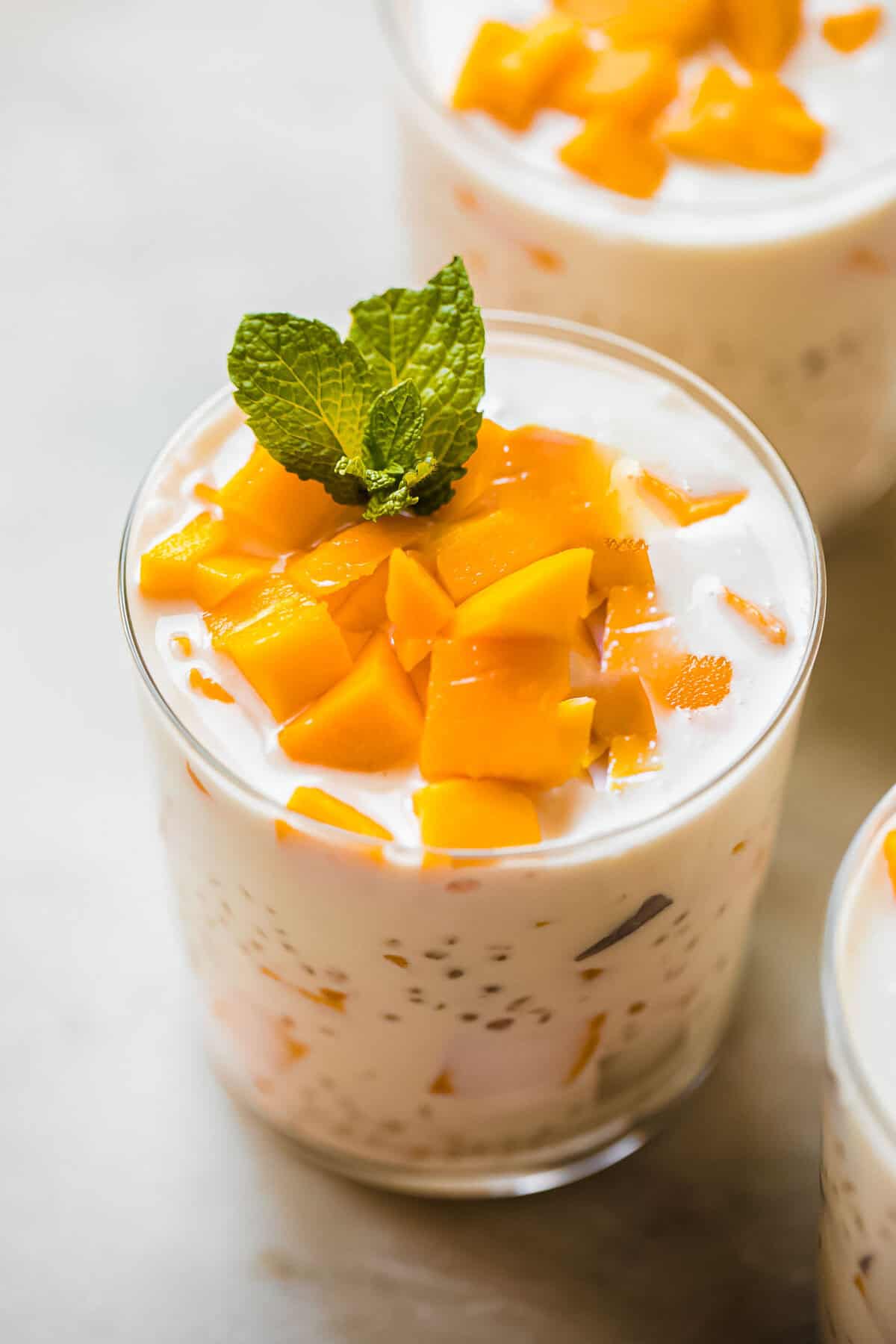
Discover the Delight of Easy Mango Bango: Your Ultimate Tropical Sago Dessert
Imagine a spoonful of pure tropical bliss: creamy, sweet, chewy, and bursting with the vibrant flavor of fresh mangoes. That’s exactly what awaits you with Easy Mango Bango, often known as Creamy Mango Sago Recipe: Your Ultimate Summer Dessert. This refreshing concoction is more than just a dessert; it's a sensory experience that transports you straight to a sun-drenched paradise, even on the dreariest of days. If you’ve ever yearned for a dessert that’s both light and satisfying, incredibly easy to prepare, and unbelievably delicious, then Mango Bango is the answer you didn’t know you needed. At its heart, this delightful treat combines perfectly cooked tapioca pearls with a luxurious coconut milk-based pudding, generously sweetened with condensed milk, and studded with irresistible chunks of ripe, juicy mango. Add in the unique chewiness of nata de coco (coconut jelly), and you have a symphony of textures and flavors that will tantalize your taste buds. Originally a staple in Asian dessert cafes, this beloved classic is surprisingly simple to recreate at home, allowing you to enjoy its exotic charm whenever the craving strikes.What Makes Mango Bango the Perfect Mango Sago Dessert?
The magic of Mango Bango lies in its harmonious blend of simple yet powerful ingredients, each playing a crucial role in creating this iconic Mango Sago Delight: The Best Coconut & Tapioca Pudding. It’s a testament to how humble components, when expertly combined, can result in something truly extraordinary. Let's delve into the stars of this tropical show:The Essential Ingredients for a Heavenly Mango Sago Dessert
- Perfectly Ripe Mangoes: This is non-negotiable! The soul of Mango Bango rests entirely on the quality of your mangoes. For the quintessential sweet and fragrant taste, varieties like Manila mangoes (also known as Ataulfo or Honey mangoes) and Champagne mangoes are highly recommended due to their low fiber content and rich, buttery sweetness. If these are hard to find, opt for the sweetest, ripest mangoes available to you. Their vibrant color and intoxicating aroma are key.
- Chewy Tapioca Pearls (Sago): These small, translucent spheres provide the signature chewy texture that makes this dessert so satisfying. You can use mini sago or small tapioca pearls, which cook relatively quickly. Larger pearls can also be used, but may require a slightly longer cooking time. The key is to cook them until they are mostly translucent with just a tiny white dot in the center, then allow them to plump up off the heat.
- Nata de Coco (Coconut Jelly): For an extra layer of textural delight, nata de coco is a fantastic addition. This chewy, jelly-like product made from fermented coconut water adds a unique, slightly firm, yet yielding texture that contrasts beautifully with the soft mango and creamy pudding. It can be found in most Asian specialty stores and often comes in various flavors, though plain or lychee-flavored ones work best here.
- The Creamy Base: The liquid foundation of your Mango Bango is where you can truly customize.
- Full-Fat Coconut Milk/Cream: This provides the rich, tropical flavor and luxurious body. Using full-fat ensures a wonderfully creamy consistency.
- Condensed Milk: Essential for both sweetness and consistency. Unlike granulated sugar, condensed milk adds sweetness without thinning out the pudding, ensuring that delightful spoonable texture. Both regular and non-dairy condensed milk varieties work perfectly.
- Other Milk Products: While coconut milk and condensed milk form the core, many recipes incorporate other milks to balance the richness. Half-and-half, evaporated milk, or even regular whole milk can be used to thin the pudding to your desired consistency. For dairy-free and vegan versions, simply use plant-based half-and-half or unsweetened almond milk in conjunction with coconut milk.
Crafting Your Easy Mango Bango: A Simple Step-by-Step Guide
Don't be intimidated by the exotic name; making Mango Bango is surprisingly straightforward. The beauty of this recipe lies in its simplicity and the minimal cooking required.Prepping for Success: Your Mango Sago Dessert Journey
- Cook the Tapioca Pearls: In a saucepan, bring several cups of water to a boil. Add the tapioca pearls and cook on medium-high heat for about 10 minutes, stirring frequently to prevent sticking. The goal is for them to become mostly translucent. Remove from heat, cover tightly, and let them sit for another 15 minutes. This gentle steaming allows them to fully plump up and become perfectly chewy.
- Rinse the Sago: This is a crucial step! Gently drain the cooked tapioca pearls in a colander and rinse them thoroughly under cold water. This removes excess starch, preventing them from clumping together and ensuring they remain beautifully separated and pearly.
- Dice the Mangoes: While the tapioca is resting, peel your ripe mangoes. Carefully slice the flesh from the pit, and then dice it into small, bite-sized cubes. Reserve some for garnish and mix the rest into the pudding.
- Prepare the Creamy Base: In a large bowl, combine your full-fat coconut milk (or a generous dollop of coconut cream) with condensed milk. Stir until well combined and the condensed milk has fully dissolved. Taste and adjust sweetness if desired. If the mixture seems too thick, gradually thin it out with half-and-half, evaporated milk, or your chosen plant-based milk until it reaches a pourable, yet rich, consistency.
- Combine and Chill: Add the rinsed tapioca pearls and the drained nata de coco (if using) to the creamy base. Gently fold in most of the diced mangoes. Transfer the mixture to individual serving cups or a large bowl, cover, and refrigerate for at least 2-4 hours. Chilling is essential for the flavors to meld and for the dessert to reach its optimal refreshing temperature.
Tips for the Ultimate Mango Sago Experience
- Quality Over Quantity: Always prioritize the freshest, ripest mangoes you can find. A great mango truly makes this dessert sing.
- Don't Skimp on Chilling Time: While it’s tempting to dive in immediately, allowing the Mango Bango to chill for at least a few hours, or even overnight, is vital. This not only makes it wonderfully refreshing but also allows the flavors to deepen and the tapioca to fully absorb the creamy base.
- Adjust Sweetness to Your Liking: The amount of condensed milk can be varied based on the sweetness of your mangoes and your personal preference. Always taste the base before adding the mangoes.
- Garnish Generously: Before serving, top each portion with an extra sprinkle of fresh, diced mango. A sprig of mint can also add a beautiful touch of color and a subtle aromatic lift.
- Storage: Mango Bango is best enjoyed within 2-3 days when stored covered in the refrigerator. The mangoes are freshest within this timeframe.
Creative Twists to Personalize Your Mango Sago Dessert
While the classic Mango Bango is divine on its own, feel free to experiment:
- Add Other Tropical Fruits: A few pieces of lychee, passion fruit pulp, or even a sprinkle of toasted coconut flakes can add new dimensions.
- Lime Zest or Juice: A tiny bit of lime zest or a squeeze of lime juice can brighten the flavors, adding a subtle tang that complements the sweetness of the mango.
- Slightly Different Milks: For a richer, more unique flavor profile, some recipes suggest a touch of evaporated milk for a denser creaminess, or even a hint of full-cream milk to balance the coconut.
